Picture this: you’re stuck in rush-hour traffic or staring at your laptop during an endless Zoom call. Your shoulders tense up, and your mind races ahead. Deep breathing flips that switch—it’s a low-effort reset that drops stress in minutes, no gym or spa required.
This works in real urban life, fitting desks, commutes, and tiny apartments. It calms your nervous system, slows your heart rate, and clears mental fog. Backed by simple body mechanics, you’ll notice calmer focus after consistent practice.
Ready to build a repeatable habit? We’ll cover techniques, quick starts, and ways to stick with it. No fluff—just steps that fit your day.
Deep Breathing: Your Low-Effort Fix for City Overload
Urban life hits hard with horns blaring and notifications pinging nonstop. Deep breathing taps into your vagus nerve to shift into chill mode. It cuts cortisol levels fast, often in under five minutes.
Picture waiting at a crowded subway platform. One session eases the edge, sharpening focus for the day ahead. No gear needed—just your breath and a quiet spot, even standing.
Over weeks, it builds resilience against daily grind. Start small, and it stacks up naturally. Think clearer decisions during tight deadlines.
Quick Tips to Breathe Deeper Right Now
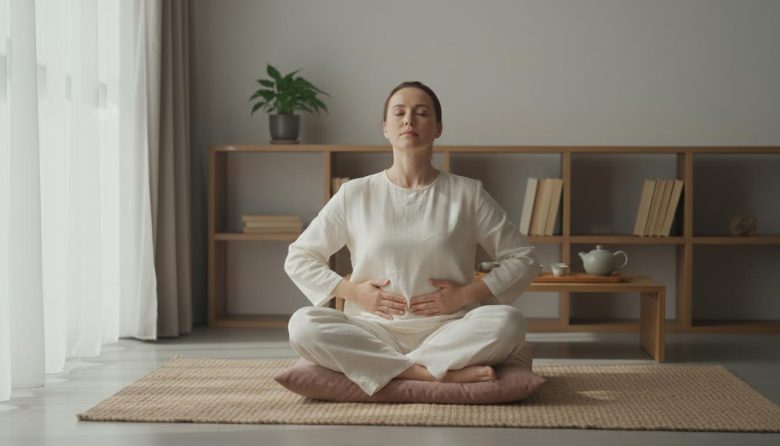
- Place one hand on your belly, one on your chest—feel the belly rise first on inhale.
- Inhale through your nose for four counts, like sipping cool air slowly.
- Exhale slowly via your mouth, making it twice as long as the inhale.
- Sit tall or stand against a wall—no need for perfect posture.
- Scan your body for tension spots right in the middle of a breath.
- Pair it with a commute stoplight or quick desk stretch.
- Track one session daily in your phone notes for easy wins.
Top Techniques Compared for Real-Life Slots
| Technique | Key Steps | Best Urban Scenario | Time Needed |
|---|---|---|---|
| 4-7-8 Breath | Inhale 4 secs nose, hold 7, exhale 8 mouth. Repeat 4x. | Desk break or pre-bed screen wind-down | 2-4 minutes |
| Box Breathing | Inhale 4, hold 4, exhale 4, hold 4. Square pattern. | Commute wait or meeting pause | 3-5 minutes |
| Diaphragm Breath | Belly expand on inhale, contract on exhale. Hands guide. | Small apartment couch or elevator | 1-3 minutes |
| Resonant Breath | Smooth nose inhale/exhale at 5-6 breaths per minute. | Late dinner calm or morning routine | 5 minutes |
These techniques shine in tight spots. Pick one based on your slot—desk for 4-7-8, commute for box. Each builds on basics from the quick tips.
Let’s break them down with steps. Real scenarios make them stick.
4-7-8 Breath: Wind Down at Your Desk
Great for mid-afternoon slumps. Developed for quick stress drops, it quiets racing thoughts.
- Sit at your desk, feet flat.
- Inhale quietly through nose for 4 seconds.
- Hold breath for 7 seconds.
- Exhale through mouth for 8 seconds, making a whoosh sound.
- Repeat four cycles.
Try it during a email break. Shoulders drop, focus returns. Fits tiny office nooks perfectly.
Box Breathing: Steady During Commutes
Used by pros under pressure. Creates even rhythm to steady nerves.
- Stand or sit in traffic or on the train.
- Inhale nose for 4 counts.
- Hold for 4.
- Exhale mouth for 4.
- Hold empty for 4.
- Four rounds total.
At a red light or platform wait, it cuts commute anxiety. Breath evens out, mind settles. No one notices.
Diaphragm Breath: Easy in Small Spaces
Targets belly breathing for full oxygen pull. Ideal for apartments.
- Lie on couch or stand in elevator.
- Hand on belly, inhale to expand it out.
- Exhale to pull belly in.
- Keep chest still.
- 10 breaths slow.
In a studio flat, do it pre-dinner. Tension melts from core. Quick body scan bonus.
Resonant Breath: Morning or Evening Anchor
Aims for optimal heart rate variability. Smooth and humming.
- Sit comfortably post-coffee or late meal.
- Inhale nose smooth for 5 seconds.
- Exhale nose same pace.
- Aim 5-6 breaths per minute.
- Five minutes steady.
When building a morning rest and reset plan to start calmly, slot this in. It sets a steady tone. Evening pairs well too.
For Busy Days: The 2-Minute Desk Reset
No time for full rounds? This is your go-to. Eyes closed or open, anywhere.
- Hand on belly, feet grounded.
- Inhale nose 4 counts.
- Exhale mouth 6 counts.
- Repeat five times.
Mid-Zoom or subway sway, it works. Heart rate dips, fog lifts. Fallback for chaos days.
Practice once daily. Builds to longer sessions naturally. Low effort, high return.
Make It Sustainable in Your Routine
Habits stick with triggers. Link breaths to daily anchors—no force needed.
- Post-coffee: 2-minute reset before emails.
- Pre-shower: Diaphragm breath in small bath.
- Alarm ping: Box breathing first thing.
- Track weekly: Note mood shifts in phone.
- Tweak weekly: Shorten if rushed.
After sessions, enhance with how to create herbal tea rituals at night for evening calm. Or set up a restful bedroom setup easily to extend relaxation. Aim for 10 minutes total daily.
Feels like brushing teeth after a month. Repeatable, no burnout. Your reset routine owns the day.
Urban constraints? Desk, commute, couch—all covered. Start today, adjust tomorrow.
FAQ
Can I do deep breathing at my desk without anyone noticing?
Yes, keep it subtle—eyes open, hand in lap or on mouse. Just four breaths reset your focus mid-meeting or call. No head turns or deep sighs needed; it blends into normal sitting.
How soon do I feel relaxed?
Often after one to two minutes of steady practice. Consistency over days amps it up, leading to lasting calm during high-stress hours. First sessions ease immediate tension; weeks build deeper resilience.
What if I can’t sit still for techniques?
Stand or walk slowly—try box breathing during a paced commute loop or office lap. Keep counts the same; movement adds gentle sway. Elevator waits work too with diaphragm focus.
Does it work if I’m new to breathing exercises?
Absolutely, no prior experience required. Begin with quick tips daily, then add one table technique weekly. Simple hand guides and counts make it accessible; progress feels natural in urban routines.
How do I fit this into a small apartment routine?
Corner of bed, shower wall, or couch edge—2-minute fallback before sleep keeps it low-space. Stack with morning coffee spot or pre-dinner counter. No extra room needed; breath travels light.